
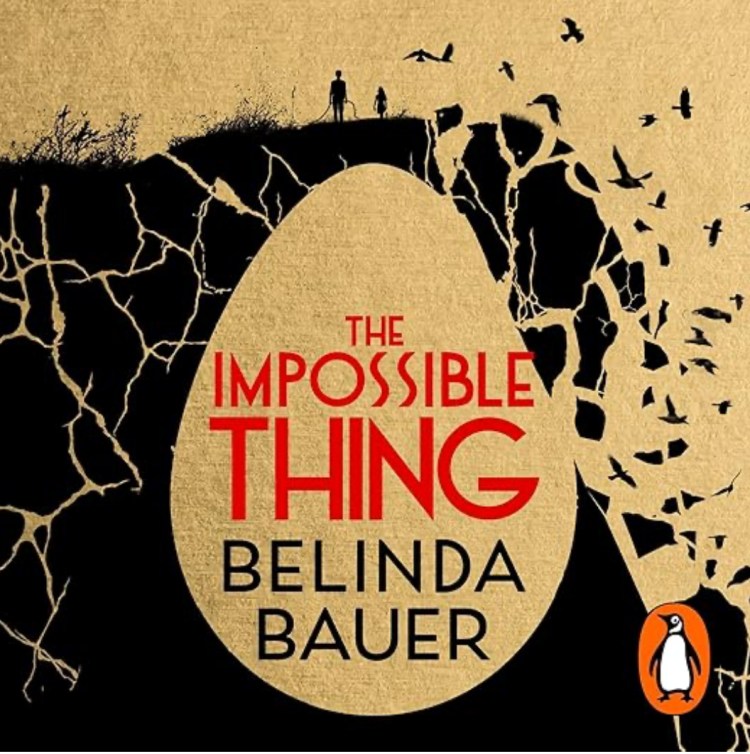
The Impossible Thing is set in two different periods, approximately one hundred years apart. The stories are so different in every way that the two strands could each stand on their own as short stories. As it is, they’re tied together by the impossible thing – a scarlet guillemot’s egg, stolen from a bird on the Yorkshire cliffs in 1926 and the subject of robbery in the present.
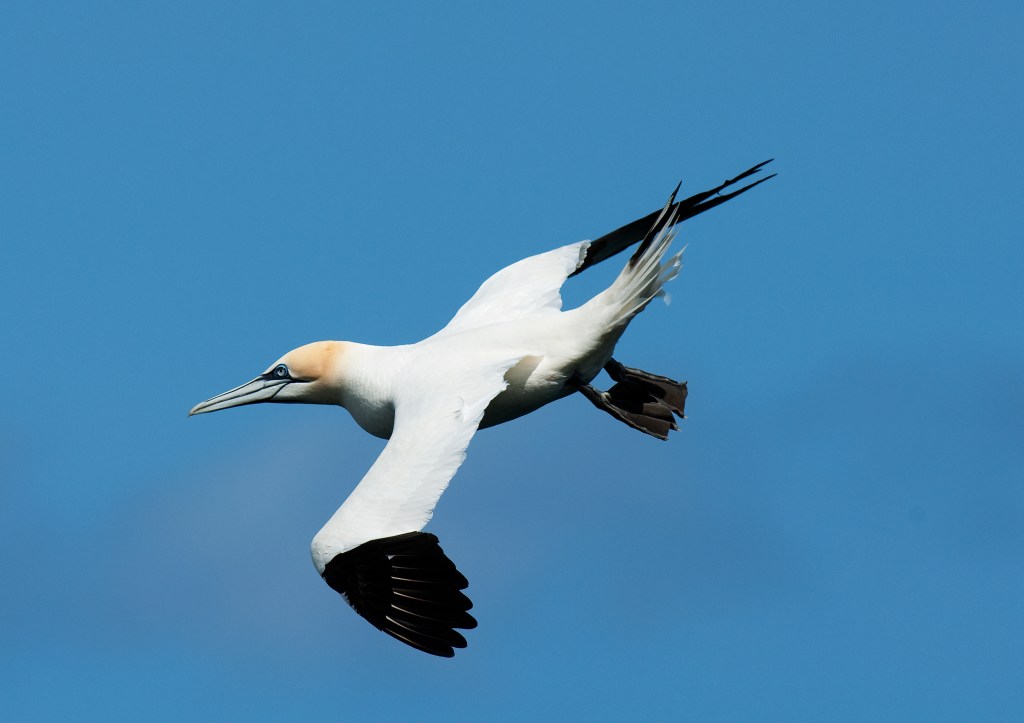
Early in the twentieth century, a number of men made their living by lowering themselves over the cliff edge on ropes and stealing eggs from the se birds. This section of the book entranced me. The location is situated between Brampton Cliffs and Flamborough, an area I visited for many years, photographing puffins, gannets, guillemots and kittiwakes, among others. Bauer’s descriptions of the area took me back there, to the sounds and smells of the wheeling birds.
The story itself is quite simplistic. A young girl, Celie, steals the first red guillemot egg, setting in motion a chain of events involving an unscrupulous dealer, the repercussions of which echo down the years until we meet Patrick, a neurodivergent young man, and his friend, Weird Nick, who is – well, weird. The modern part of the story descends into a bit of a caper, as various people use any means possible to get their hands on the scarlet egg(s) – we meet egg collectors, the RSPB officers in pursuit of them and a scholarly chap who wants to complete his museum collection of the priceless eggs.
Some of Bauer’s recent books have disappointed me but she is back on form with his one. It’s sure-footed, well researched and has a satisfying ending.
Picture: Gannet at Bempton Cliffs © Jacqui Jay Grafton



 Jacqui Jay